ESG Compliance in Accounting – A New Standard for Swiss Businesses?
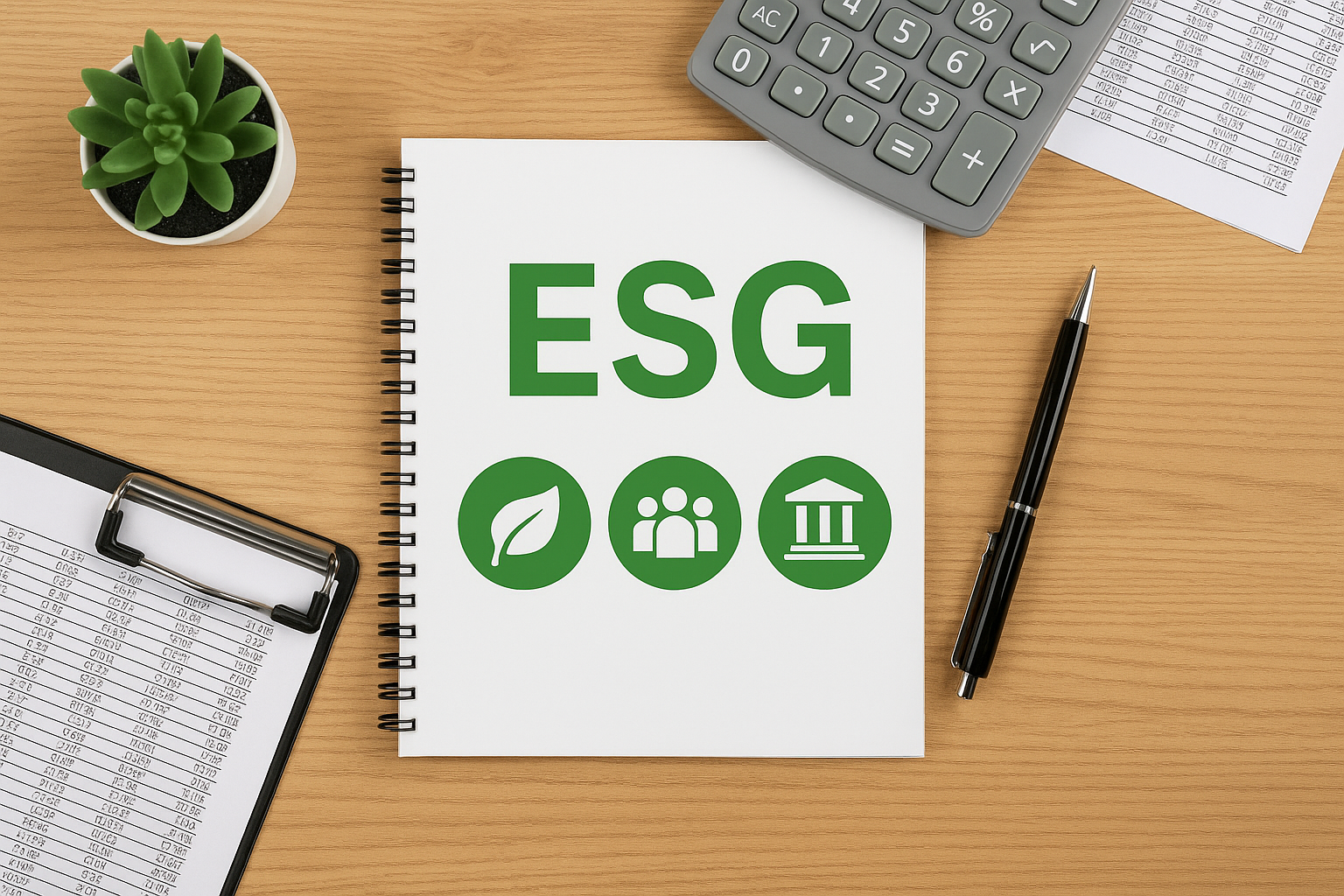
ESG—Environmental, Social and Governance—has become a major force shaping how companies are evaluated and regulated. Across Switzerland, ESG compliance in accounting is rapidly shifting from an optional strategy to a standard expectation. Investors, regulators, and business partners now demand enhanced transparency, measurable sustainability indicators, and responsible governance practices.
This article explores what ESG means for accounting, why it matters for Swiss companies, and how RB Swiss supports businesses in implementing ESG-ready reporting.
What ESG Compliance in Accounting Includes
While traditional accounting strictly examines financial performance, ESG integrates extra-financial data to assess how responsibly a company operates. Key areas include:
Environmental metrics
Energy consumption, CO₂ emissions, waste management, water usage, and resource efficiency.
Social performance
Employee well-being, workplace safety, fair pay, diversity, training, and community impact.
Governance standards
Board composition, internal controls, compliance structures, ethical business conduct, and transparency.
For a reliable and widely accepted reference, see the OECD Guidelines on Sustainability Disclosure:
Why ESG Compliance Matters for Swiss Companies
1. Regulatory Developments
Switzerland is gradually aligning with international sustainability frameworks. Large companies are already required to disclose ESG information, and expectations on SMEs are rising through supply chain obligations and banking requirements.
2. Investor and Banking Expectations
Capital markets increasingly evaluate companies based on their commitment to ESG. Strong ESG reporting can result in:
- Improved access to financing
- Lower risk profile
- Enhanced long-term valuation
- Stronger trust with stakeholders
3. Competitive Differentiation
Companies adopting ESG accounting demonstrate reliability, resilience, and responsibility—key drivers of competitive advantage in global markets.
How ESG Impacts Accounting Processes
Data Collection & Non-Financial Metrics
Accountants must track sustainability parameters such as emissions, employee metrics, or supply chain impacts.
Risk Identification
ESG highlights reputational, regulatory, and operational risks not visible in traditional accounting.
Integration with Annual Financial Statements
More Swiss companies are integrating ESG disclosures into their yearly financial reports to enhance transparency and credibility.
Governance & Internal Controls
ESG-ready reporting requires structured documentation, auditability, and governance oversight.
Do Swiss SMEs Need ESG? Absolutely.
Even if not legally required, SMEs face ESG-related pressure from:
- Banks requesting sustainability documentation
- Corporate clients demanding responsible suppliers
- International partners evaluating ESG performance
- Skilled talent preferring responsible employers
Early adaptation ensures long-term business resilience and attractiveness.
How RB Swiss Helps Companies Become ESG-Ready
RB Swiss supports businesses in building ESG-compliant structures through:
- Firmengründung Schweiz – Build a compliant Swiss company
- Bankkonto Schweiz – Assistance with banks sensitive to ESG criteria
- Domiziladresse Zug – Prestigious and compliance-forward address
- Schweizer Verwaltungsrat – Experienced Swiss board members & governance support
- Buchhaltung & Jahresabschluss Schweiz – Full accounting with ESG-aligned reporting
- Firmenmantel kaufen – Purchase a ready-made Swiss company
- Co-Working – Professional office infrastructure
- Marken – Ethical and transparent trademark protection
Conclusion: ESG Is Becoming the New Accounting Standard
ESG compliance is no longer a trend—it is evolving into a core component of modern business management. Companies that implement ESG reporting early will be better positioned to attract investors, mitigate risks, and demonstrate long-term sustainability.
📌 Contact RB Swiss Group
RB Swiss Group GmbH
Blegistrasse 7
CH – 6340 Baar
Phone: +41 41 410 61 61
Mail: info@rbswiss.com